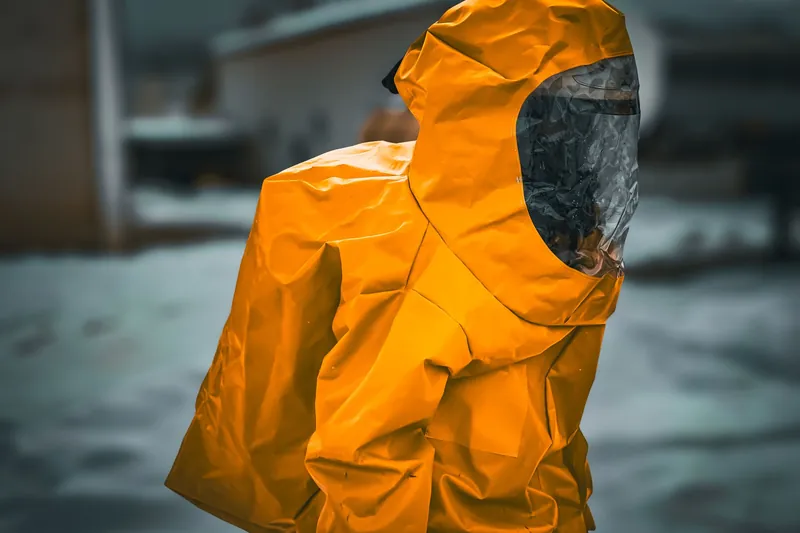
Biohazard Cleanup
Removal and disinfection of blood, body fluids and other infectious material from any property.
See biohazard cleanupAn unsafe space affected by sewage, blood, bodily fluids or another biological hazard should remain off limits to people. Seek clear next steps right away. Work can start once law enforcement or the responsible officials release the area.
Emergency biohazard cleanup urgently controls and removes biological contamination, then cleans and disinfects the affected space. It applies to human waste, blood, bodily fluids and other material that could cause illness or injury through exposure.
A serious blood spill, accident, sewage backup, crime scene, unattended death or trauma scene may create the need. Preventing contamination from reaching nearby spaces is the first focus of emergency cleanup. Technicians determine which areas and materials are affected, contain the space and choose a safe sequence for the work.
Visible dirt may come off with ordinary cleaning, but biohazard remediation requires more. Workers use protective equipment and carefully remove contaminated material. They clean surfaces, apply an EPA-registered disinfectant for the entire label contact time, package hazardous waste, address odor and complete a final inspection. This work helps the space progress toward clean, normal use.
You hear what will be cleaned, what may need removal and what affects cost before the cleanup process moves forward.
You can explain the situation day or night and get immediate safety instructions while access, scene release and cleanup needs are assessed.
Crews arrive in unmarked vehicles. The work area can be kept private from neighbors, visitors and unaffected parts of the property.
Your explanation of biohazard remediation to a property manager or insurance company may be supported by photographs, scope records and disposal documents.
A serious health risk from biological material, or the chance that it will spread across a workplace, vehicle or home, can make emergency biohazard cleaning necessary. Common circumstances are:
An accident, suicide or violent event can leave affected areas, whether one space or several, with bodily fluids and material damage.
Blood can enter porous layers and seams beneath floors, furniture or walls. Block access so others cannot approach or track through the spill.
Human waste, animal waste, sharps or spoiled materials can turn a cluttered property into a biohazard situation.
A sewage backup contains water classified as Category 3 black water. Flooring, walls and contents may need cleaning, drying or removal.
Begin by keeping anyone from making contact or carrying contamination elsewhere. Follow these steps as you arrange for professional cleanup:
Call (888) 351-0904Emergency work has no distinct range in published guides. For biohazard cleanup in general, the guides show a typical national range from $3,000 to $5,000. Residential averages span $1,800 to $4,500; most home projects fall between $2,500 and $8,000. The complete span published by Fixr is $1,500 to $25,000. Final cost can also be affected by urgency.
These ranges come from published national cost guides, not from a site visit. The price for your property is set after the on-site assessment, and you hear it before work starts.
Ask about cost: (888) 351-0904Some commercial, renters and homeowners insurance may cover cleanup of a biohazard caused by a covered sudden event. Any coverage will depend on the cause and on the policy's limits, deductible and terms.
Preserve records including the claim number, authorization releasing the scene, images, project scope, invoices and waste documents. Ask your adjuster what must be documented before the scene is changed by cleanup.
Report the situation and ask the insurance company whether the claim applies to cleanup, removing materials, treating odor and restoring the space afterward.
Tenants should inform their landlord or the property's manager. Responsibility can depend on the cause, lease, policy and location of the contamination.
Victims of violent crime can ask the Florida Attorney General's Bureau of Victim Compensation about cleanup, since its rules count crime scene cleanup costs as a compensable loss. Insurance is usually checked first.
A controlled sequence keeps affected material from being carried into uncontaminated spaces during an emergency response. Although each situation has different needs, cleanup generally moves through the steps below:
The affected area is assessed by cleanup technicians, who identify the contaminant and note materials, access constraints and immediate hazards.
Clean spaces are isolated from the work area. Crews select personal protection based on the job duties and type of exposure.
Collection methods keep affected debris and liquids from moving into clean areas. When full cleaning is impossible, affected materials come out in contained portions.
Crews clear away visible contamination before applying disinfectant. This cleaning step lets the disinfectant reach the surface instead of sitting on debris.
For cleanable areas, crews use an EPA-registered disinfectant and maintain surface wetness throughout the labeled contact time.
Medical or regulated waste requirements call for contaminated materials and sharps to travel in proper sealed containers.
After source removal, appropriate methods such as air scrubbers may address airborne particles and lingering odor along nearby air routes.
A final check looks for contamination left in the work space. Project details, photographs and waste documentation can help property owners explain the work to insurance companies.
You can call anytime. You speak with an emergency 24/7 biohazard cleanup specialist who outlines the process and schedules a start time with you.
Serious health risks can come from sewage, sharps, blood and body fluids, regardless of whether the area seems dry or limited in size.
You could be exposed or cut by contaminated porous items, glass fragments or needles. They need secure packaging and disposal under applicable waste rules.
Bodily fluids may move beneath baseboards or absorb into furniture, drywall, subfloor, carpet and its padding. Wiping the visible surface may leave contamination behind.
An unexpected biohazard may cause distress, particularly when it follows trauma or a death. Ask someone you trust to manage access while you remain away from the area.
Can you clean it yourself? On a sealed hard surface, a few fresh blood drops may be cleaned while you wear disposable gloves and keep EPA-registered disinfectant wet throughout the label contact period. Seek professional cleanup if the source or full spill cannot be identified, or when sharps or porous materials are involved.
If a surface is accessible and allows full cleaning and disinfection, it can be kept. A porous item must be removed once contamination has soaked past the point where cleaning will work.
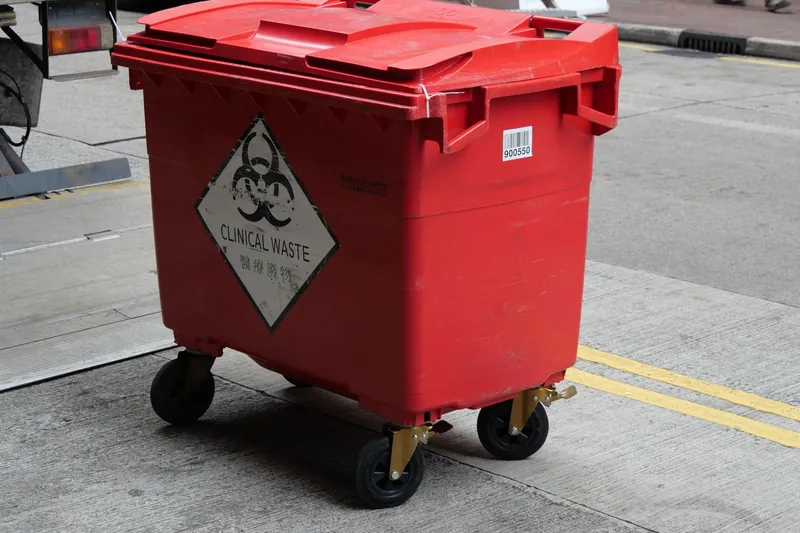
The OSHA Bloodborne Pathogens Standard establishes work rules on training, protective equipment, exposure controls and connected practices for employees who might encounter blood.
A disinfectant must be suitable for the target pathogen and surface. The full labeled contact period must pass while the surface remains wet.
Florida calls it biomedical waste, and the term covers absorbent materials saturated with blood or body fluids. The Florida Department of Health's rules control packing, transport and treatment, so it cannot go in household trash.
Florida uses district medical examiners, with the Medical Examiners Commission under the Florida Department of Law Enforcement overseeing them. Cleanup starts after police or the medical examiner release the scene.
Emergency biohazard cleanup has no set duration. Its timing is shaped by the contamination type, how many areas are affected and which materials are involved. Hidden layers reached by fluids and the timing of the scene release also affect the schedule.
The full emergency 24/7 biohazard cleanup guide covers what is cleaned or removed, odor and air quality work, and the rules that apply in Florida.
Read the full emergency 24/7 biohazard cleanup guidePlanning for access, containment and cleanup can depend on local population, housing and entry conditions.
With a 41.5% renter share, some cleanup calls require a tenant and property owner to agree on access and material removal.
A 1983 median build year points to varied interior finishes, so each affected material needs its own cleaning or removal decision.
Because 30.6% of older residents live alone, neighbors and family contacts can play an important role in noticing unusual silence.
With 61.0% single-family housing, cleanup plans should fit both private homes and units with common halls, walls, or ventilation.
You can ask about cleanup in nearby communities and ZIP codes during the call.
Removal and disinfection of blood, body fluids and other infectious material from any property.
See biohazard cleanup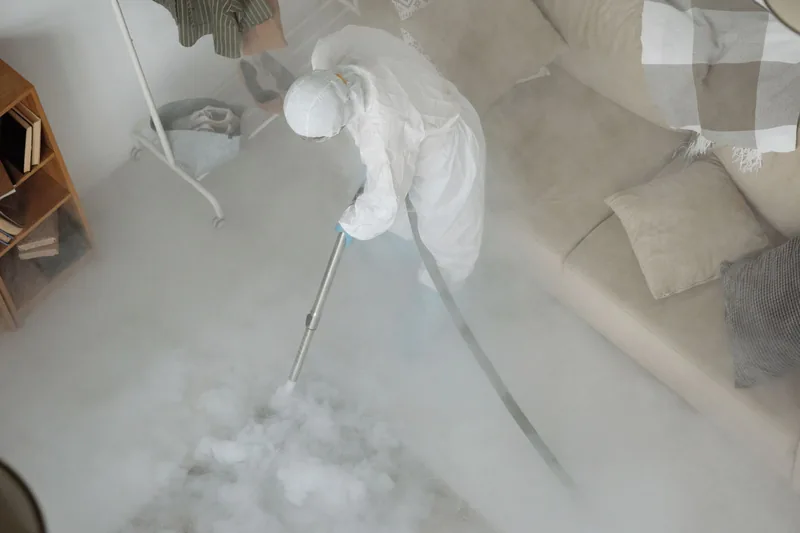
Complete decontamination treats the room, its surfaces and the air after a hazardous or infectious exposure.
See biohazard decontamination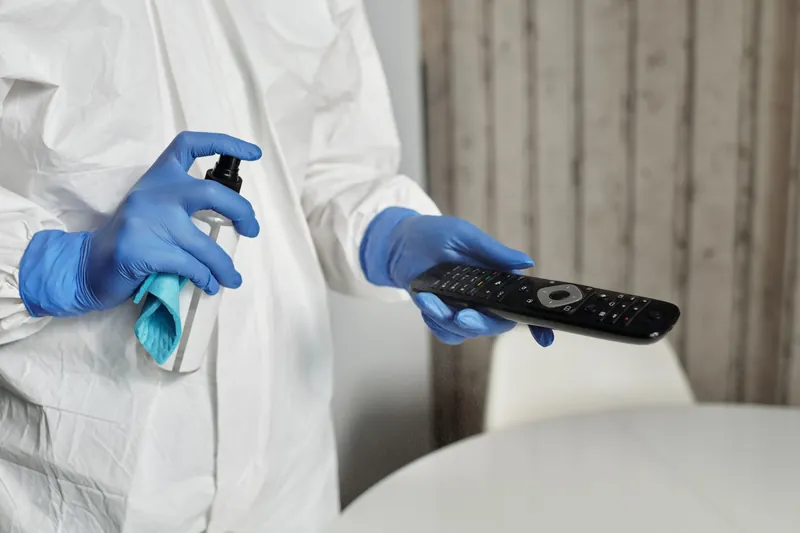
Contamination is cleared through biological remediation, returning the space to safe use.
See biohazard remediation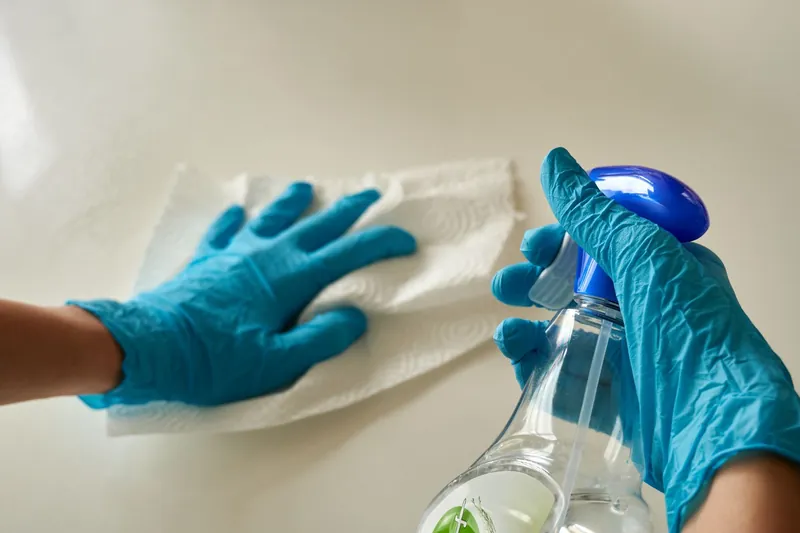
Walls, carpets, furnishings and hard floors receive blood cleanup, with safe disposal afterward.
See blood cleanup
Trauma scene cleanup addresses the aftermath of accidents, injuries and violent incidents.
See trauma scene cleanup
Crime scene cleaning begins after police release and covers blood, odor and the affected property.
See crime scene cleanup
When a death remains undiscovered for days, cleanup addresses decomposition and controls odors.
See unattended death cleanup
Sewage cleanup removes Category 3 black water from raw sewage, then disinfects and dries the area.
See raw sewage cleanupIt might. The event's cause and the policy's wording, limits, exclusions and deductible affect coverage. Ask your insurance company about biohazard cleanup, removing materials, odor treatment and restoration. Retain your claim number along with photos, official release, project details, invoices and disposal records.
With gloves and an appropriate EPA-registered disinfectant left for the complete contact time, you may be able to clean a few drops of your blood from a non-porous hard surface. Do not attempt cleanup when the source is unknown, sharps are present, porous materials are affected or the spill boundary is unclear.
Yes, odor treatment may apply when the scene caused it. Because fragrance merely covers the issue, the odor source must be removed before other treatment. Suitable air methods may address odors that remain after contaminated materials undergo cleaning or removal. The work may also include checking nearby rooms and HVAC openings for affected air paths.
When blood, sewage, bodily fluids, human waste or another biological contaminant impacts a property, emergency biohazard cleanup means urgent cleaning and disinfection. The process involves odor treatment, controlled waste disposal, area containment, surface disinfection and removal of materials that are not cleanable. Cleanup waits until police or the responsible officials release the controlled scene.
Yes. Even when dry, blood must be considered potentially infectious. According to the CDC, hepatitis B can survive on a surface for at least seven days. Avoid scraping, sweeping or vacuuming it, since those actions can spread material. If more than a minor surface spot is affected, prevent access and arrange suitable cleanup.
Biohazards may include sewage, blood, specific bodily fluids, human waste, sharp objects and anything contaminated by those substances. The degree of risk varies by source, quantity, surface type and how exposure could occur. When you do not know the source or full boundary, keep people away and seek guidance before touching or cleaning anything.
Respectful, discreet emergency 24/7 biohazard cleanup is available 24 hours a day, and crews arrive in unmarked vehicles.