COVID-19 and Virus Disinfection
Following an outbreak, virus disinfection covers residential properties, offices and shared areas.
See covid-19 and virus disinfectionGet infectious disease cleanup for a home, office, school, rental or shared space in Sans Souci. The process covers cleaning, EPA-registered disinfectants, label contact time and a final check of treated surfaces.
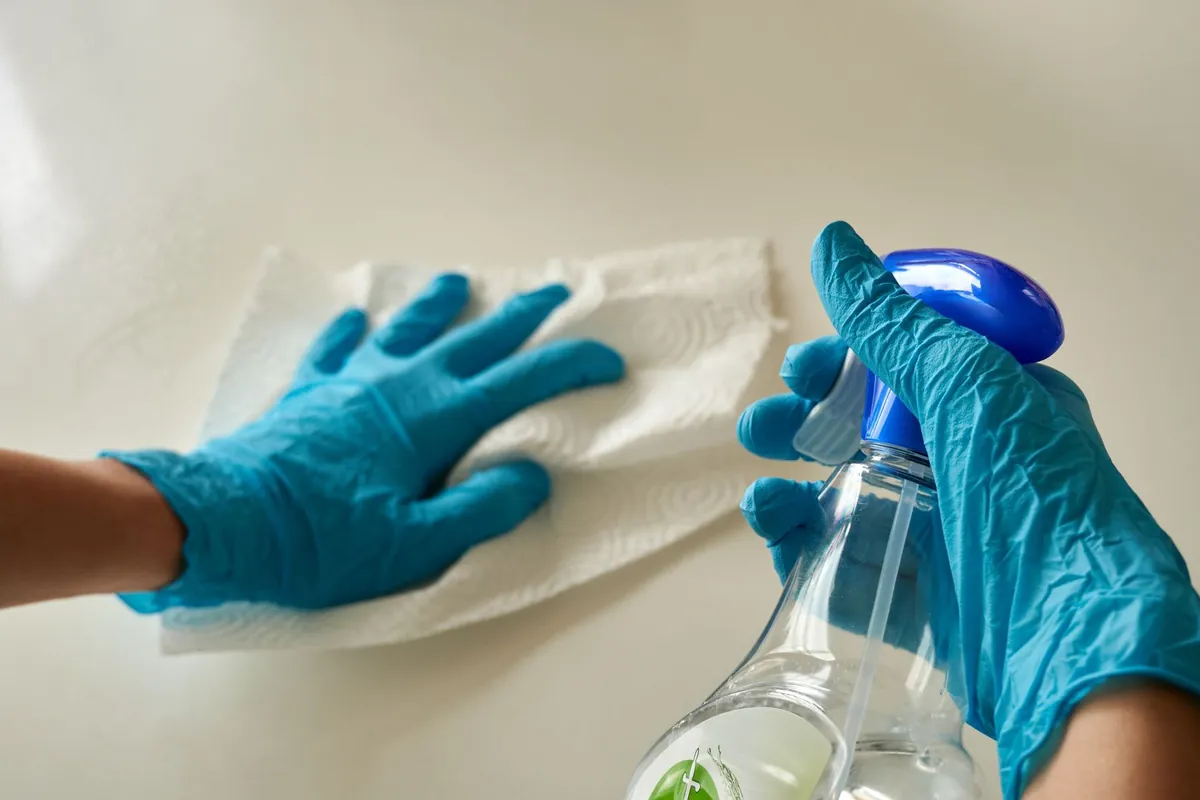
Infectious disease cleanup means cleaning and disinfecting a space where there may be a virus, bacterium or another germ that causes disease. The scope centers on areas of concern and surfaces or high-touch items that people could contact.
Before cleaning starts, the space is reviewed for its use, possible contamination and surfaces that may react to a product. Workers first take away visible soil. Next, they use an EPA-registered disinfectant as its label directs. This includes leaving the surface wet for the stated contact time, which lets the product perform as intended.
This type of service applies in many places, including a home, office, rental property, school, restaurant, healthcare environment or shared vehicle. Its scope responds to a confirmed or suspected disease concern, rather than routine cleaning needs. Contamination involving blood or bodily fluids, as well as hazardous materials, is a different form of biohazard remediation that may involve taking out materials, disposing of waste and using additional protective equipment.
By using unmarked vehicles and limiting work to affected areas, crews help you move forward without unwanted attention.
Clear information should cover the chemical, its dilution, suitable surfaces and required contact period, rather than implying a fast spray is sufficient.
Before cleanup starts, you can point out delicate belongings and decide what can be moved, cleaned or not disturbed.
You should know which rooms, objects and surfaces are included, which areas are outside the scope and what happens at each step.
You may need infectious disease cleaning when ordinary janitorial work cannot address a known illness, suspected exposure or contamination incident. Common examples are:
Rooms used during an illness receive soil removal followed by disinfection on surfaces that tolerate the product.
When your household needs more help, focused cleaning covers bedrooms, bathrooms, kitchens and common living spaces.
Focused disinfection and cleaning address a reported illness or exposure at homes, workplaces and facilities used by others.
For customer areas, employee spaces, bathrooms, break rooms and common touchpoints, cleanup services follow an organized treatment plan.
First, reduce contact with the area and prepare accurate details for the cleanup technicians. Take these steps before the job starts:
Call (888) 351-0904Each virus decontamination job has a published range of $1,500 to $3,500 in the guides. For infectious disease decontamination, their listed ranges are $1,000 to $8,000 and $2,000 to $8,000 each. A further cost guide for biohazard cleanup lists $1,500 to $10,000 for each infectious disease disinfection job. The final amount is affected by the space, suspected germ, quantity of surfaces, testing needs and any work on the air system.
The figures shown are national ranges from published cost guides and are not based on an on-site visit. You learn what your property will cost after the on-site assessment and before any work begins.
Ask about cost: (888) 351-0904Insurance coverage varies with your policy, the contaminated property and what caused the event. Preventive cleaning and routine disinfection should not be presumed covered. When possible, ask the insurance company about your specific circumstances before authorizing work.
For your claim file, insurance assistance may arrange the service scope, invoices, treated-surface records and appropriate photos from the affected area.
Check whether your policy covers the contamination, how much the deductible is and what photos, scope details or other records the insurer expects.
Who is responsible may depend on both the lease terms and which property area is affected. Check the documents first to establish who has authority to approve cleanup.
Cleanup expenses may be treated one way under business insurance and another under home coverage. The policy wording and cause of loss control the decision.
Disinfectant label requirements are considered alongside the suspected germ and the locations affected. The resulting remediation process gives every step a reason, including control of entry and a final check of all work in the scope.
Cleanup involves identifying the rooms, high-touch surfaces, sensitive materials and any bodily fluids or waste that may change the work plan.
Entry is limited, a clean-to-dirty work path is set and nearby spaces are protected from tools and foot traffic.
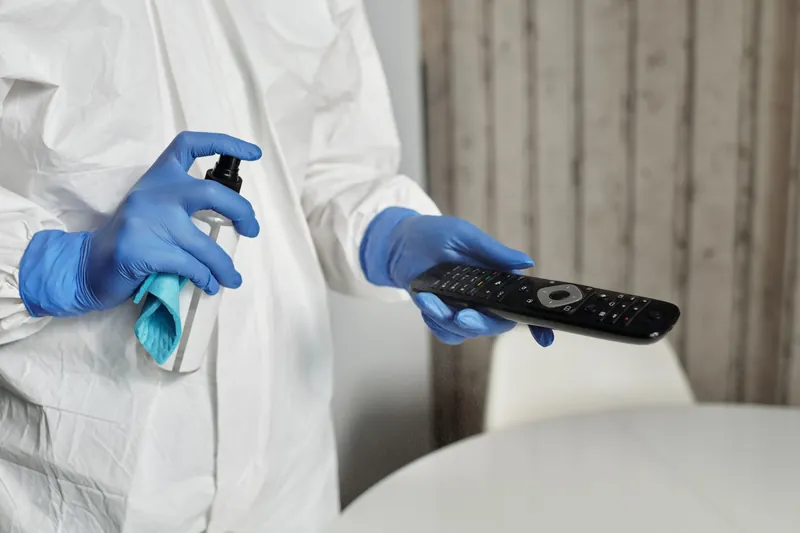
The stated exposure, work task and chosen product determine which gloves and additional protective equipment are used.
Dust, dirt and visible residue are removed with methods suited to each surface before disinfection begins.
The correct label dilution of an EPA-registered disinfectant is used on suitable surfaces and stays wet for the entire contact period.
Instead of relying only on a broad mist, treatment carefully covers counters, shared equipment, door hardware, switches and restroom fixtures.
Tools kept for reuse undergo cleaning, while disposable items are contained and hazardous waste is isolated for proper disposal.
Documentation closes the entire process after treated areas are reviewed against the scope, giving you a clear record of the surfaces and rooms addressed.
You can call anytime. An infectious disease disinfection specialist answers, explains the steps and agrees a start time with you.
The main risks are exposure to contamination, using a product incorrectly and missing surfaces that people touch. A careful cleanup process controls each of these issues instead of relying on a quick spray.
Extra risk can result from excessive product use, combined chemicals or failure to follow ventilation instructions. Dilution, application and safety measures must follow the product label.
Contamination may travel between surfaces on tools, shoes, cleaning cloths and gloves. That risk decreases with a clearly marked workspace and controlled movement through it.
The spread pattern and period of viability are different for each virus and bacterium. The possible germ, its setting and the surface involved determine the disinfection approach.
Can you clean it yourself? When no exposure is known and neither hazardous waste nor bodily fluid is present, normal cleaning may suffice. When multiple rooms are involved, someone vulnerable occupies the property or the affected area has unclear limits, professional cleanup offers you a consistent process with documentation.
Most disinfection for infectious disease treats existing surfaces without tearing materials out. Cleanable items are retained when this can be done safely. Materials affected by bodily fluids, or contamination that cleaning cannot remove, may follow a separate plan for disposal.
The time depends on the size of the affected area, how many surfaces need attention, the product contact time and whether the space can be treated in sections. A site assessment is needed before a dependable schedule can be set.
| Scene | Typical time on site |
|---|---|
| Focused area in a home | Usually completed within one planned work session |
| Multiple rooms or a shared worksite | Could need an extended work period or separately scheduled areas |
| A complex group of surfaces or large facility | Could take multiple scheduled periods of work |
An infectious disease disinfection job does not always include odor removal. A smell that remains may originate with bodily fluids, an animal, moisture, spoiled food, sewage or some other condition needing its own cleanup. Hiding the odor will not take away its source, and adding fragrance is no alternative to proper disinfection and cleaning.
What occurred in the space guides any air quality measures. Wiping surfaces, ventilating rooms and treating the air system are distinct tasks. Methods involving HVAC parts or treatment of the air need to be suitable for the building and its instructions for occupied spaces. Neither fogging nor spraying replaces detailed high-touch cleaning, full disinfectant coverage or compliance with label contact time.
The full infectious disease disinfection guide covers what is cleaned or removed, odor and air quality work, and the rules that apply in Duval County.
Read the full infectious disease disinfection guidePlanning for access, containment and cleanup can depend on local population, housing and entry conditions.
Sans Souci is listed about 0.7 miles from Ascension St Vincent's Southside, a relevant distance when prompt evaluation follows a biohazard exposure.
The location sits near Greenfield Manor, Hogan, and Englewood, making local landmarks helpful when a property entrance is hard to find.
A neighborhood address can differ from its broader city label, making the full street and unit information important for discreet cleanup access.
Ask on the call about cleanup options for neighboring communities and ZIP codes.
Following an outbreak, virus disinfection covers residential properties, offices and shared areas.
See covid-19 and virus disinfection
MRSA, norovirus and C. diff cleanup covers care settings, fitness facilities and homes.
See mrsa, c. diff and norovirus cleanup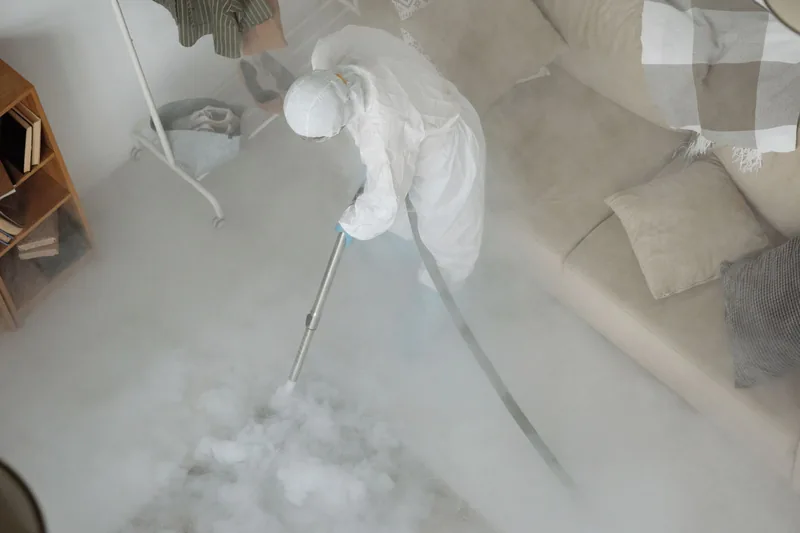
Complete decontamination treats the room, its surfaces and the air after a hazardous or infectious exposure.
See biohazard decontamination
Biological remediation removes contamination so the space can be safely used again.
See biohazard remediation
Planning for industrial and commercial biohazard cleanup considers operations and access to the site.
See commercial and industrial biohazard cleanup
Clinics, healthcare facilities and care homes receive biohazard cleanup.
See hospital and healthcare biohazard cleanup
Workplace biohazard cleanup addresses offices after injuries or exposure incidents.
See office and workplace biohazard cleanup
Biohazard cleanup for daycares and schools takes place outside classroom hours.
See school and daycare biohazard cleanupFor the environment, a practical sequence restricts entry, removes soil and disinfects surfaces that tolerate the product. Personal hygiene, protective equipment and compliance with up-to-date health directions are also parts of infection control. Protocols in healthcare facilities may differ from those in homes, offices or restaurants because measures vary with the suspected germ and setting.
Although certain registered disinfectant products use alcohol, the ingredient by itself does not show whether it works for the intended germ and material. Use a product whose label covers the intended use, and follow its directions and contact time. Do not rely on drinking alcohol, homemade mixtures or an unlabeled container for disinfection.
Clean visible dirt and residue first, then disinfect compatible high-touch surfaces with an EPA-registered product. Follow the label for application, ventilation, protective gear and the time the surface must remain wet. Secure disposable items, clean reusable equipment as directed and keep used gloves or cloths out of surrounding areas.
Customer and staff spaces, restrooms and surfaces touched often should all appear in the scope. For food-contact areas, choose products and follow-up procedures intended for that purpose. Remove dirt through cleaning first, then allow each disinfectant to work for its full labeled contact time. Current food-safety and public health instructions still apply.
Begin by clearing people from the affected area and cleaning any soil you can see on compatible materials. Observe the full contact time and dilution on the label when applying an EPA-registered disinfectant. Never combine products, and concentrate cleaning on objects people touch often. Current directions about testing, isolation and medical matters should come from your public health authority or healthcare professional.
Some bacteria can be biological hazards because they can cause disease, while many bacteria do not cause harm. The level of concern depends on the organism, the route of exposure and the setting. Biohazard cleanup beyond standard surface treatment may be necessary if medical waste, sewage, blood or bodily fluids are present.
Respectful, discreet infectious disease disinfection is available 24 hours a day, and crews arrive in unmarked vehicles.