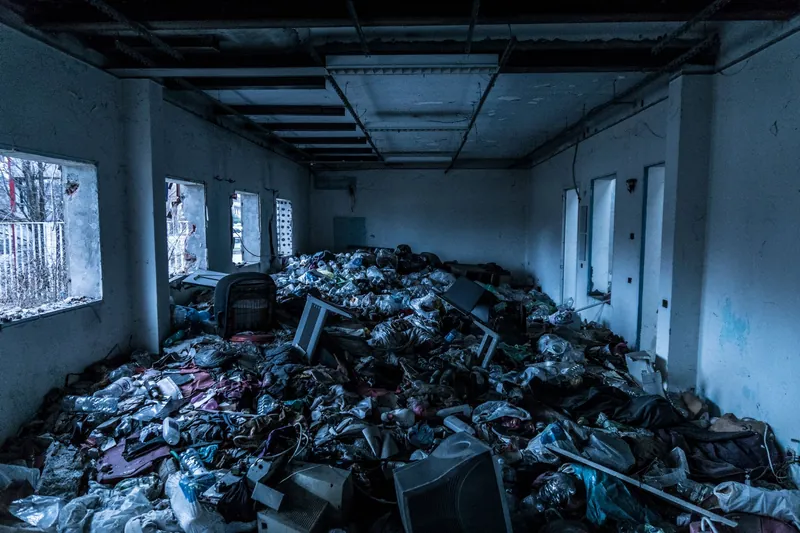
Hoarding Cleanup
Hoarding cleanup combines respectful sorting, removal and deep cleaning.
See hoarding cleanupClear built-up waste, remove contaminated materials and deep clean an unsafe home with a plan that protects important belongings and explains each stage.
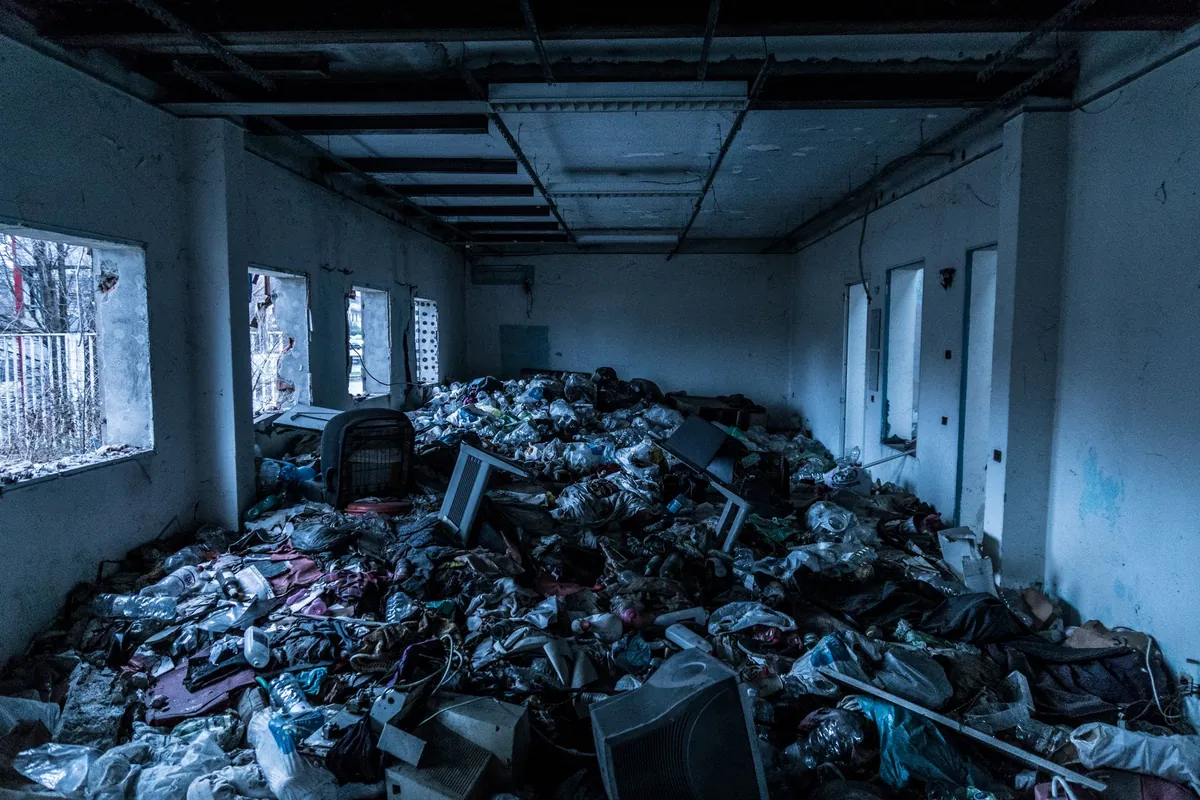
Filth and squalor cleanup is the removal of collected trash, spoiled matter and hazardous waste, followed by cleaning and disinfection that makes affected spaces safer to use.
Squalor is a description of the home and is not a judgment about its occupant. Property conditions may worsen during illness or grief, after mobility declines, because of pests or plumbing problems, or when regular cleaning stops for a long time. The work should center on present needs, clear actions and respect.
Work can involve opening safe paths across floors, separating personal belongings, taking out household trash and discarded food, cleaning bathrooms and kitchens, and addressing stubborn odor. Discovery of blood, urine, feces, loose sharps, sewage or another contaminated material changes the approach. Biohazard remediation, protective gear, controlled zones and proper waste disposal may then be necessary.
Some filth cleanup jobs differ from clearing out the entire home. Severe sanitation concerns can exist even when only a small number of possessions are wanted. Some spaces must be sorted with care to make any surface accessible. The right cleaning service should base the scope on the affected area, the materials left behind and the decisions you want to make about personal items.
Containment, waste disposal and protective gear should reflect each hazard present, including loose sharps, bodily fluids, pests and spoiled material. The plan should clearly describe every cleanup step.
Crews arrive in unmarked vehicles. Careful placement of work and loading spaces may help keep activity around the residence discreet.
You receive clear explanations without blame. Room-level records support choices centered on safe conditions, sanitation and what you want for the property.
To clarify what the cleanup involves, your plan lists deep cleaning, contents removal, disinfection, odor treatment and repairs as separate parts.
Ordinary house cleaning may not be enough to reach or safely restore every affected space. Filth cleaning services are useful in situations such as:
Before repairs or another occupancy, a tenant, owner or authorized manager may need abandoned trash cleared and affected rooms documented.
Protective gear, material removal and focused disinfection may be needed for urine, feces or heavy residue on fixtures and nearby surfaces.
Before someone comes home from medical care or time away, the property needs sanitation, functional rooms and clear walkways.
A health emergency, hospitalization or mobility limits can leave more food waste, trash and bathroom residue than you can address safely alone.
First, keep people safe and leave room for thoughtful decisions about the property. Avoid shifting waste until you understand the possible hazards. Do not start cleanup during an active medical crisis, fire or other immediate safety danger. Contact the correct emergency service or law enforcement first.
Call (888) 351-0904Published guides put the range for biohazard-level hoarding between $2,000 and $25,000 while hoarding conditions involving biohazards range between $3,000 and $20,000 in those guides. Yelp gives human waste cleanup an average of $400 to $1,500 for comparison. These are related planning figures because squalor scope varies with buildup, material damage, pest activity, waste types and odor treatment.
These ranges come from published national cost guides, not from a site visit. An on-site assessment determines your property's price, which is explained to you before the cleanup starts.
Ask about cost: (888) 351-0904Insurance may cover damage tied to a covered event, but routine neglect, accumulated waste and general cleaning are often treated differently. Insurance companies use your policy and the documented cause of damage to make that decision.
The lease, property condition and local requirements can affect who arranges access and payment. Do not discard a tenant's possessions until an authorized person approves what will happen.
Find out how the claim divides restoration, removal and sanitation, which affected areas qualify, what records and images are needed and which loss cause applies. Insurance assistance may include organizing these records for your adjuster.
Confirm with the insurance company if part of the damage resulted from a sudden, covered cause such as a plumbing loss. The insurer may evaluate cleanup outside that incident as a separate matter.
Payment choices, scope signatures and removal approval need confirmation from an executor or authorized representative before moving personal property.
The details vary by situation, but each remediation follows an organized path through safety checks, sorting, removal, thorough cleaning and the final walkthrough. This sequence stops contaminated contents from crossing into finished areas again.
Cleanup technicians examine rooms they can access, locating affected areas and recording waste, pests, moisture, sharps, blocked routes and materials that might require removal.
The site is arranged with defined work areas and an uncontaminated route out. Workers choose respiratory and eye protection, gloves and protective clothes based on conditions at the property.
Documents, medication, photographs, valuables and uncertain belongings are separated from waste so you or an authorized person can decide what happens to them.
Workers contain or bag spoiled material, trash and unwanted belongings approved for removal. Workers prevent contaminated bags from crossing cleaned rooms and keep sharp objects separate from ordinary trash.
Carpet and pad, wallboard, cabinetry or subfloor might need removal if contamination has penetrated too far to clean completely.
Workers clean exposed hard surfaces before applying a disinfectant. An EPA-registered disinfectant must remain wet for every minute of label contact time wherever disinfection is necessary.
Work starts by removing odor-causing material. HEPA vacuuming, air scrubbers and targeted surface treatment may then reduce remaining particles and odors in the work area.
You inspect the cleared rooms, items kept, materials removed and any remaining need for pest control, plumbing, drying, construction or other restoration services. To help you move forward, workers explain what work remains.
Call any hour. Your filth and squalor cleanup specialist answers the phone, describes what happens next and works with you on a start time.
Severe accumulation presents serious health risks when sharp objects, unstable materials, waste or moisture are involved. A dry-looking surface does not remove those risks.
Wall materials, timber, carpet and grout can absorb urine or feces. A visible wipe may not remove contamination or smells absorbed below a porous surface.
Open garbage and spoiled foods can sustain pest activity from insects or rodents. Droppings, nesting material and pest-damaged contents should be identified before piles are moved or dry debris is disturbed.
A hard home situation may relate to poor health, personal loss or declining independence. Residents and loved ones can make thoughtful choices about personal property with calm explanations.
Can you clean it yourself? With gloves and the product label instructions, ordinary soil covering a small, stable non-porous area may be cleaned. Stop work when porous items are soaked with contamination or when you discover sewage, unstable piles, an unfamiliar chemical, loose sharps or human or animal waste.
Many hard surfaces can remain when thorough washing and disinfection can clean them. Removal may be needed for porous belongings or materials that have absorbed waste, liquids or odor.
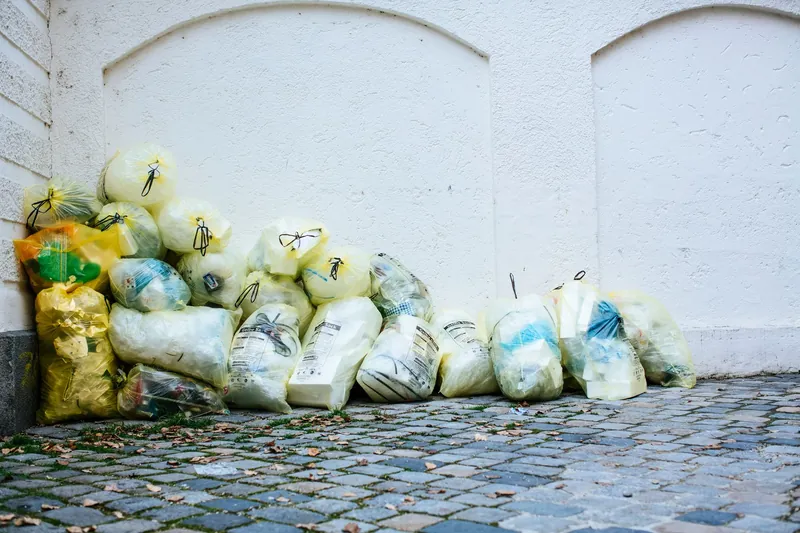
Under 29 CFR 1910.1030, the OSHA Bloodborne Pathogens Standard requires exposure controls, protective equipment and training when workers may contact blood or material that is potentially infectious.
An EPA-registered disinfectant must be used according to its label. Keep the treated area wet for the listed contact time so the disinfectant works according to its directions.
Florida calls it biomedical waste, and the term covers absorbent materials saturated with blood or body fluids. The Florida Department of Health's rules control packing, transport and treatment, so it cannot go in household trash.
Local health and building rules can affect how a contaminated room is cleaned and when it can be used again, so mention any notice you have received from the city or county.
Cleanup can take about a day for a small area or multiple days when several rooms are involved. If squalor affects the whole home, limited access, decisions about belongings and contaminated material removal can extend the work to a week or longer.
The full filth and squalor cleanup guide covers what is cleaned or removed, odor and air quality work, and the rules that apply in Duval County.
Read the full filth and squalor cleanup guideLocal population patterns, housing and site access may affect how containment and cleanup are planned.
If direct exposure occurs, the closest listed emergency option is HCA Florida Orange Park Hospital, about 5.2 miles away, not the cleanup site.
Connections to Chimney Lakes, Jacksonville Heights, and Argyle Forest make a precise address important for coordinating cleanup access without unnecessary neighborhood attention.
A neighborhood address can differ from its broader city label, making the full street and unit information important for discreet cleanup access.
Your phone conversation can include questions about service in nearby ZIP codes and communities.
Hoarding cleanup combines respectful sorting, removal and deep cleaning.
See hoarding cleanup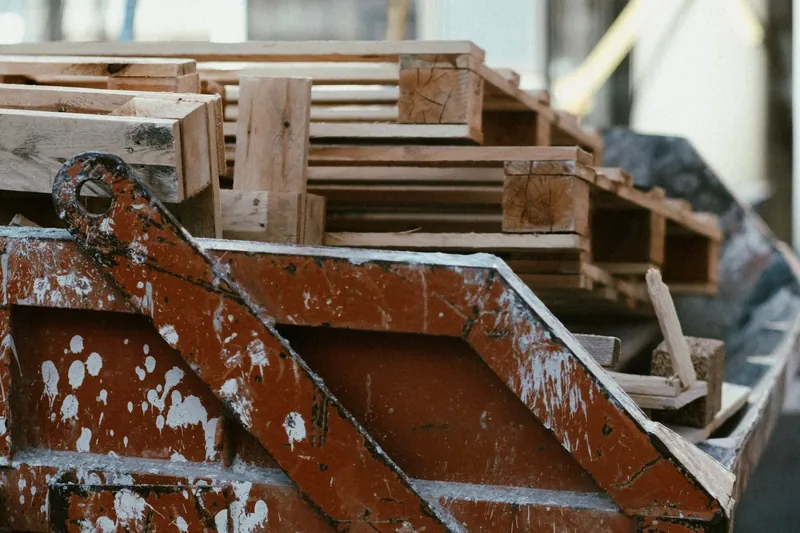
During hoarder house cleanout, trash is hauled away as work progresses from room to room.
See hoarder house cleanout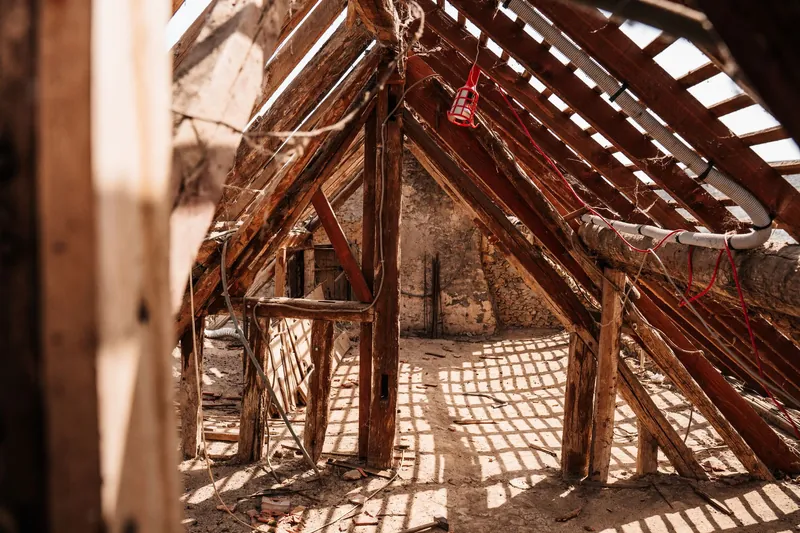
Waste and urine-soaked items are removed and ammonia odor is treated during animal hoarding cleanup.
See animal hoarding cleanup
Rentals, residences and public bathrooms receive human feces cleanup and disinfection.
See human feces cleanup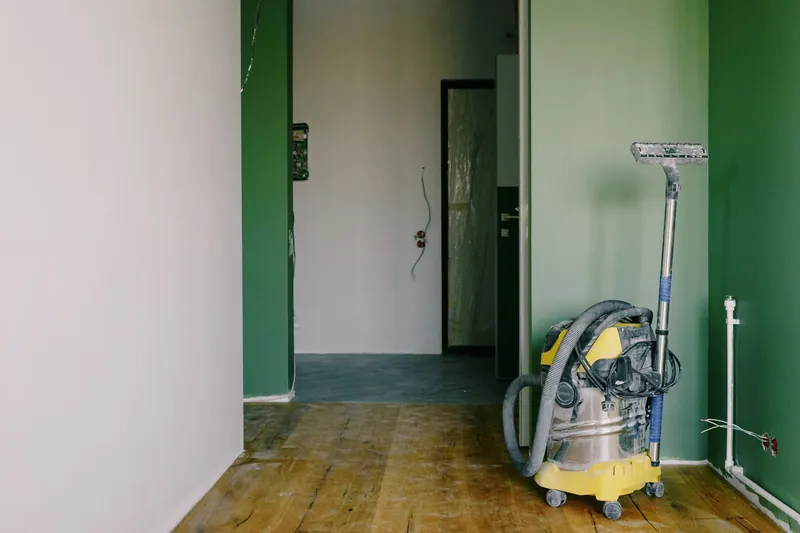
For furnishings, flooring and subfloors, urine cleanup includes odor removal.
See urine cleanup
Blood, body fluids and other infectious materials are removed, followed by property disinfection.
See biohazard cleanup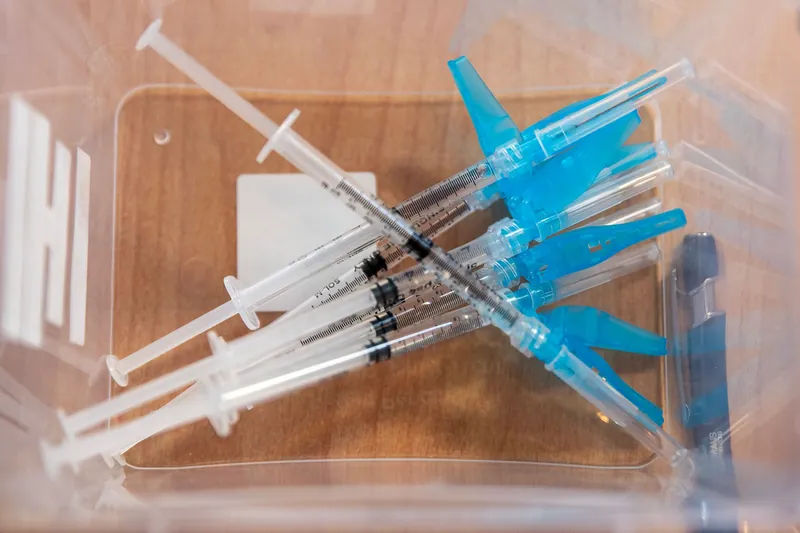
Needle and sharps cleanup for yards, rentals, parks and encampments.
See needle and sharps cleanup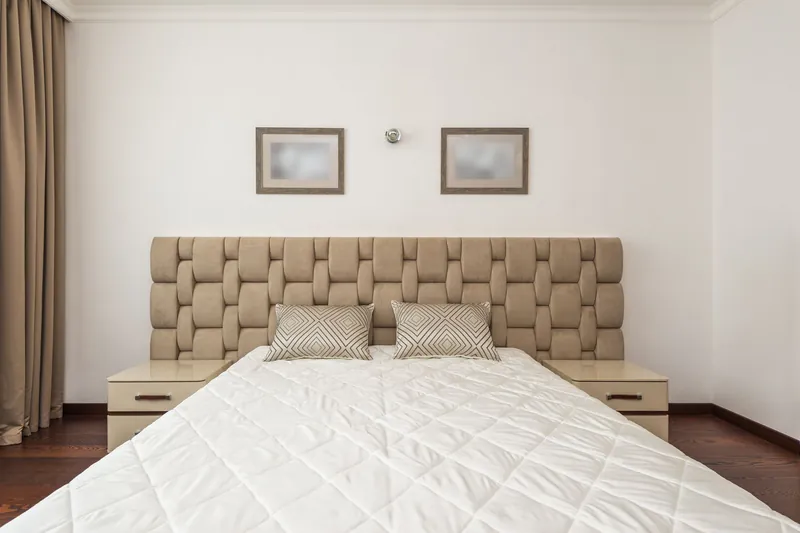
Hotels, rental properties and Airbnb units receive biohazard cleanup.
See hotel, airbnb and rental biohazard cleanupA separate decision zone may hold your records, medication, keys, photos, valuables and property with an uncertain outcome. Cleanable belongings may stay. Property with breakage, pest damage or deep contamination might need to go, yet the justification and person authorized to decide should be established before removal.
True. Cleaning can be possible for non-porous personal property that is undamaged and easy to reach. You can decide about documents, photos, medication and valuables after workers place them in a separate area. Removal can be needed for porous materials saturated by feces, wastewater, urine or another contaminant. You deserve to know why removal is necessary before a belonging is discarded.
Cleaning a home with unsafe sanitary conditions and removing accumulated waste are the central parts of filth and squalor cleanup. It can include sorting personal property, removing spoiled material, cleaning hard surfaces, disinfecting affected areas, treating odor and removing porous materials that cannot be safely cleaned.
Deep cleaning addresses the smell only when its source has first been located. Spoiled food, waste, urine-soaked carpet, damp materials or pest residue may need removal first. Air quality measures may follow after workers clean hard materials. If a smell remains, contamination may be hidden in carpet pad, subfloor, cabinets or wall cavities.
A single accessible space with light buildup could take approximately one day. Expect several days for multiple rooms and possibly a week or longer when conditions extend heavily throughout the home. Blocked routes, pests, contaminated porous items, odor sources, plumbing concerns, repairs and time spent sorting can extend the cleaning process.
Coverage depends on the policy and what caused the damage. Damage tied to a covered abrupt event can receive different treatment from general cleaning and long-standing accumulation. Confirm the cause of loss with the insurance company, learn what documentation to submit and find out if removal, cleaning and repairs receive separate consideration.
Respectful, discreet filth and squalor cleanup is available 24 hours a day, and crews arrive in unmarked vehicles.