Crime Scene Cleanup
After the property is released by police, crime scene cleaning removes blood and controls odor.
See crime scene cleanupGet private suicide cleanup for blood, bodily fluids, affected materials and odor in a home, rental, workplace or vehicle in St. Augustine Beach. You do not have to enter or clean the scene yourself.

Suicide cleanup is a private service that clears unsafe materials, blood and bodily fluids from a biohazard scene. It also includes disinfecting affected areas and treating the source of any odor.
Cleaning can be arranged only after law enforcement finishes its duties, the medical examiner completes the work and the property is released. Those authorities do not clean it. The responsible person, property owner or family can then arrange suicide scene cleanup for the affected home, hotel room, apartment, workplace or vehicle.
Trained technicians wear protective equipment while carrying out a controlled cleanup. They inspect surfaces around the affected area and disinfect cleanable items. Porous materials are removed if they absorbed contamination. For correct disposal, hazardous waste is securely packaged. Care is taken while sorting personal property, with your input on meaningful belongings whenever that is possible.
If you or someone near you may be in immediate danger, call emergency services. In the United States, emotional support is available by calling or texting the 988 Suicide and Crisis Lifeline. Cleanup can wait until people are safe and law enforcement has released the scene.
Day or night, someone can answer your call, and unmarked vehicles can be used by crews to help protect privacy at a rental, workplace or home.
When meaningful belongings may have to be removed, careful consideration is given to keepsakes, documents and photos with your involvement.
You can move forward after hearing what affects the cost and what may need cleaning or removal.
Photographs, scope notes, item records and disposal paperwork can be organized, whether the recipient is a property manager or your insurance company.
Suicide cleaning services are needed when blood or bodily fluids remain after the authorities release the property. The right scope depends on the scene, the surfaces and how far contamination traveled.
Work may focus on the affected unit, with nearby areas, common halls and stairs checked only where contamination could have traveled.
Seats, carpet, trim and hidden spaces can hold bodily fluids, so the vehicle needs a careful inspection before decisions are made about cleaning or removal.
Photos, documents and keepsakes can be separated from contaminated items and discussed with you before anything important is removed.
Hotels, shops, workplaces and managed properties may require cleanup space controls and cooperation from building management.
Your first priority is safety. You can protect yourself, preserve the scene and start an insurance claim without entering the affected area.
Call (888) 351-0904According to published guides, costs for suicide cleanup and related biohazard work range from $1,500 to $15,000. The range stated in a suicide cleanup cost guide is $1,500 to $5,500. Guides for biohazard and crime scenes more broadly give higher ranges when cleanup is more involved. Actual pricing reflects affected surfaces, what needs removal, odor treatment and the disposal of waste. The figures support planning but do not constitute a quote.
These ranges come from published national cost guides, not from a site visit. After an on-site assessment, the price for your property is determined and shared with you before cleanup begins.
Ask about cost: (888) 351-0904A homeowners, renters or commercial property policy may include coverage for suicide cleanup. Your policy and the loss determine coverage, the deductible and which records are required.
Homeowners or renters insurance, the estate or the property owner usually pays for this kind of cleanup. The Florida crime victim compensation program helps only when a crime caused the loss. Before depending on payment, contact the program to confirm eligibility, deadlines, covered costs and necessary documents.
Find out which item records, photographs, invoices and waste documents your insurance company requires. Family members do not have to go inside for photographs of the affected area.
Ask if the policy covers personal property, damaged building materials, biohazard cleanup and death cleanup. Record the claim number and adjuster contact.
The tenant, family and property owner should check the lease and relevant policies. The individual responsible for the property normally authorizes the cleanup and arranges entry.
The suicide cleanup process moves from assessment and containment to removal, disinfection, odor treatment and documentation. Every step is adjusted to the actual materials and affected areas.
Before starting, cleanup technicians verify the scene's release, examine affected and surrounding areas, note surface materials and record the scope.
The affected space is separated from clean areas, and technicians select protective equipment, clothing and gloves for possible bloodborne pathogen exposure.
Carpet, pad, drywall, upholstery or other porous material is removed when contamination soaked in and full disinfection is not possible.
Following surface cleaning, apply a disinfectant with EPA registration and maintain wetness throughout the contact time specified on its label.
Belongings are sorted into those suitable for cleaning, those requiring removal and personally meaningful items that call for your decision.
Removal of each odor source comes first. Afterward, the room, building and materials left in place determine whether air filtration or another odor treatment is used.
Removed biohazard materials are placed in suitable containers and taken through the required hazardous waste or medical waste disposal process.
The cleaned area is reviewed, records are organized for the insurance claim and any removed flooring, wall material or fixtures can be scheduled for replacement.
You can call anytime. A suicide cleanup specialist answers, explains the steps and agrees a start time with you.
Blood and bodily fluids can expose you to bloodborne pathogens, and contamination can extend beneath or behind the surfaces you can see.
Areas reached by fluids can include wall cavities, subfloor, baseboards, flooring seams and carpet pad. A surface wipe may not remove contamination hidden below.
Blood may carry HIV, hepatitis C and hepatitis B. The CDC says hepatitis B can survive on surfaces for at least seven days, so dried material still needs careful treatment.
At a difficult time, seeing the scene may cause added emotional distress. Professional cleanup allows you to remain away while someone calmly explains each practical choice.
Can you clean it yourself? Cleaning may be suitable for a few fresh drops on hard, non-porous material if you wear disposable gloves and observe the entire labeled contact period for an EPA-registered disinfectant. If fluid reached carpet, fabric, unfinished wood or drywall, or if you cannot see the full edge of the affected area, professional biohazard cleanup is the safer choice.
A cleanable surface remains in place if full cleaning and disinfection are possible. When contamination has penetrated porous material beyond reliable treatment, that material is taken out.
The OSHA Bloodborne Pathogens Standard, 29 CFR 1910.1030, establishes requirements for worker training, protective equipment and procedures wherever blood exposure may happen.
A product applied to blood should have EPA registration for its intended purpose and remain in place for all of the contact time specified on the label.
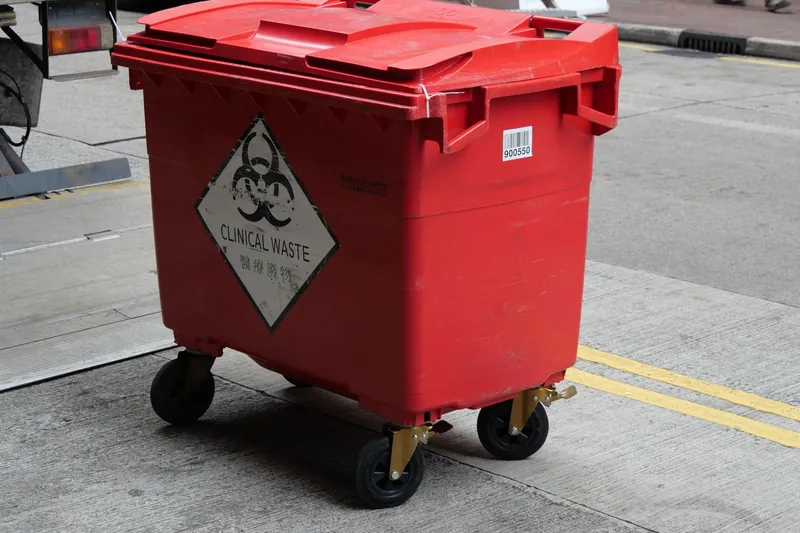
Florida calls it biomedical waste, and the term covers absorbent materials saturated with blood or body fluids. The Florida Department of Health's rules control packing, transport and treatment, so it cannot go in household trash. Required packaging, treatment and transport for contaminated materials should be included in the cleanup scope.
Florida uses district medical examiners, with the Medical Examiners Commission under the Florida Department of Law Enforcement overseeing them. Cleanup starts after police or the medical examiner release the scene. Cleaning should not begin until the investigating authority confirms that the scene has been released.
The size of the area, its materials and any contamination within hidden layers determine how long cleanup takes. A small scene affecting hard surfaces is generally quicker than cleanup that calls for removing drywall, flooring or a large number of personal items.
The full suicide cleanup guide covers what is cleaned or removed, odor and air quality work, and the rules that apply in Florida and St. Johns County.
Read the full suicide cleanup guidePlanning for access, containment and cleanup can depend on local population, housing and entry conditions.
Because renter occupancy is 25.7%, cleanup discussions often can focus on the household without a separate property manager involved.
The median home in St. Augustine Beach was built in 1987, so cleanup may involve common drywall, carpet, and sheet flooring assemblies.
There are 423 seniors living alone locally, making simple welfare check plans useful even when the overall share is lower.
At 53.2% single-family housing, crews should confirm entrances, neighboring units, and ventilation before setting the cleanup boundary.
Ask on the call about cleanup options for neighboring communities and ZIP codes.
After the property is released by police, crime scene cleaning removes blood and controls odor.
See crime scene cleanup
Trauma scene cleanup after accidents, injuries and violent events.
See trauma scene cleanup
Blood cleanup clears blood from furniture, walls, hard floors and carpet, followed by safe disposal.
See blood cleanup
After a person dies at home, cleanup addresses fluids, odors and belongings that were affected.
See death cleanup
Cleanup following a quickly discovered death treats the family home with care.
See attended death cleanup
Death odor removal targets the source through ozone treatment, hydroxyl and air scrubbers.
See death odor removal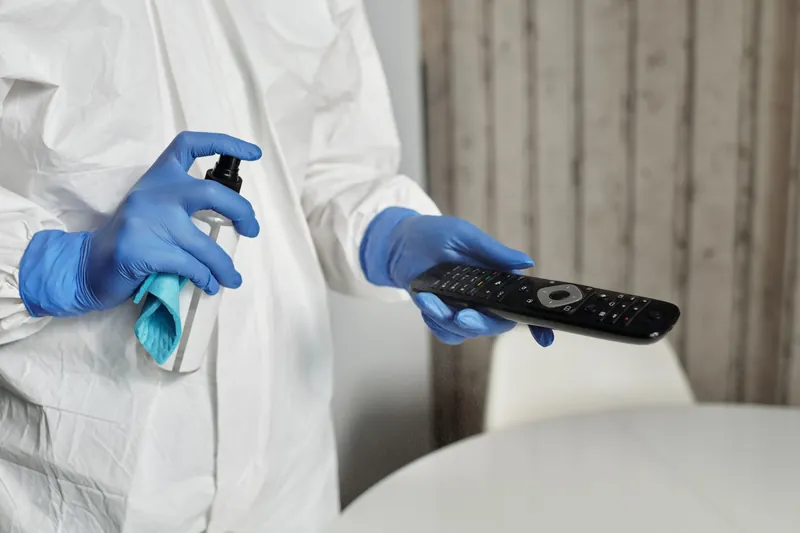
Biological remediation removes contamination so the space can be safely used again.
See biohazard remediation
Medical waste removal includes disposal through facilities approved for treatment.
See medical waste removalThe medical examiner and law enforcement finish investigating the scene but leave property cleaning to others. Once the scene is released, a property manager, landlord, owner or family member can arrange for a suicide cleanup company. The work of trained technicians includes cleaning and disinfection in the affected area, removal of material that cannot be treated, and preparation of contaminated waste for proper disposal.
Coverage for biohazard or death cleanup may apply under a homeowners policy, depending on the specific policy and loss. Contact your insurance company, explain what happened and ask about deductibles, required documentation, personal property and affected building materials. Keep the claim number and adjuster contact with the cleanup documents.
Yes, but treatment starts with removing what causes the odor. The cause is addressed by cleaning and disinfecting surfaces, checking surrounding areas and removing any affected material that cannot be treated. The next step may be air filtration or a different odor treatment. Using fragrance by itself can hide odor, but it cannot make an affected area safe.
Technicians start by assessing and containing the affected area. They remove porous materials that absorbed bodily fluids, clean hard surfaces and apply an EPA-registered disinfectant for its label contact time. The process includes careful sorting of personal property, source-based odor treatment and compliant disposal packaging for contaminated material.
Avoid entering any scene with broad contamination involving bodily fluids, blood or absorbent materials. Serious health risks come from bloodborne pathogens and unseen contamination, and household cleaning equipment can spread the material. A few drops on a sealed hard surface are different, but larger or unclear areas call for professional biohazard cleanup.
How long cleanup takes depends on affected area count, absorbed contamination and whether wall materials or flooring require removal. A contained hard-surface area is usually faster than a scene involving several rooms, hidden layers, many belongings or extensive odor treatment. The assessment should clarify the expected work sequence.
Crews carry out respectful, discreet suicide cleanup, arrive in unmarked vehicles and take calls 24 hours a day.